Felt and Broadway: A Shared History
Felt was part of Broadway long before it became the world’s most recognized stage. As one of the earliest known textiles, felt brought with it qualities that theater would come to rely on: strength, flexibility, and the ability to hold form under repeated use. When Broadway emerged in New York at the turn of the twentieth century, felt was already a proven material, ready to meet the demands of live performances.
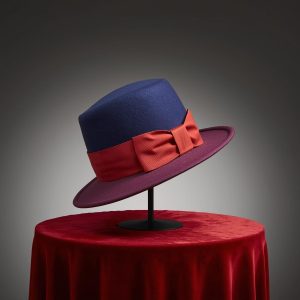
Felt initially became integral to costume construction, particularly in millinery. Hats made from wool felt defined the characters and their eras-from newsboys and laborers to soldiers, aristocrats, and leading men. Felt’s durability, its ability to be molded and reshaped, and its consistency under stage lighting made it ideal for productions that ran night after night. New York’s millinery and costume workshops grew alongside Broadway, supplying felt components crafted specifically for the stage.
During the Golden Age of Broadway, felt helped shape the visual identity of American musical theater. Its clean edges and saturated colors translated clearly from stage to balcony, while its weight and structure supported dramatic silhouettes. Beyond aesthetics, felt also served a practical purpose. It absorbed sound, reduced costume noise, and contributed to the overall clarity of live performance, an important consideration in an era before advanced amplification.
Felt’s contribution to Broadway extended well beyond costumes. Industrial felt has long been used backstage and beneath the stage itself, protecting surfaces, reducing vibration, and supporting scenery and rigging. In orchestra pits, felt has played a quiet but essential role in sound control and instrument protection. These unseen applications are part of Broadway’s technical foundation.
Today, felt remains a trusted material in Broadway costume and production shops. Contemporary designers work with traditional wool felts as well as modern blends and needle-punched constructions, using the material for everything from historically accurate reproductions to bold, graphic design elements. While techniques have evolved, the reasons for choosing felt remain largely unchanged.
Across generations, felt has supported Broadway’s ability to perform consistently, endure demanding schedules, and maintain visual clarity onstage. Its presence is often subtle, but its role is enduring, woven into the history of American theater as a material built to perform.