Understanding Decorative Felt: Fiber Choices and What They Mean for Performance
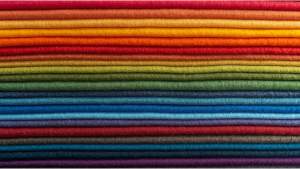
Decorative felt may look simple, but the fiber behind it plays a big role in how it performs. Colored felt products can be made from natural fibers, synthetics, plant-based materials, or blends. Each type brings different strengths depending on how you plan on using the felt.
For crafters, and designers, choosing the right felt often comes down to balancing durability, appearance, and cost. The following is a closer look at the most common fibers used in decorative felt helps explain why certain materials perform better in specific applications.
Wool Felt: The Original
Wool felt is the material that built the felt category. Wool fibers naturally interlock because of microscopic scales along the fiber surface. When heat, moisture, and pressure are applied, the fibers lock together to form a dense nonwoven fabric.
The result is a felt that holds its shape well, cuts cleanly, and maintains consistent body. Wool also accepts dye exceptionally well, producing rich colors that remain stable over time.
Another advantage is resilience. Wool fibers recover naturally after compression, helping wool felt maintain structure even after repeated handling.
For decorative applications where appearance and durability matter, wool felt remains the premium option.
Polyester Felt: Consistency and Durability
Polyester felt has become increasingly common in decorative applications, particularly where cost and consistency are important.
Because polyester fibers are engineered during manufacturing, they can be produced with very consistent diameter and strength. This results in felt that can resist stretching and shrinking.
Polyester also performs well in environments where moisture, sunlight, or repeated handling might affect wool or other natural fibers.
For larger decorative productions or applications requiring consistency, polyester felt provides a dependable alternative.
Acrylic Felt: Economical and Colorful
Acrylic felt is widely used in entry-level craft felt products. The fiber can be produced very economically and dyed in a wide range of bright colors that last.
This is the material that is most often found in craft packs used in schools or hobby projects.
While typically not as durable as wool or polyester, it offers a wool like feel for a fraction of the cost. For seasonal decorations, classroom crafts, or short-term projects, acrylic felt remains a great option.
Plant-Based Felts: Renewable Fiber Alternatives
Plant-based felts have gained attention as manufacturers explore renewable and animal-free materials. These felts are typically produced from cellulose fibers derived from plants rather than petroleum-based synthetics.
The most common plant derived fiber used in decorative felt is viscose rayon, which is made from wood pulp. Trees such as beech, eucalyptus, and pine are processed into a pulp, which is then converted into fiber and formed into nonwoven felt through needling or mechanical bonding.
Other plant sources used in specialty felt materials include:
- bamboo pulp fibers
- cotton
- lyocell fibers
- other cellulose-based agricultural by-products
Plant based felts tend to have a smooth surface and soft, flexible feel. Because the fibers are very uniform, manufacturers can produce sheets with consistent thickness and appearance.
These materials are sometimes marketed as “vegan” felt, making them appealing in certain consumers. They are also frequently blended with wool or polyester to improve softness and finish.
Recycled PET Felt: A Growing Segment
Another category gaining momentum is recycled PET felt, produced from post-consumer plastic bottles.
The plastic is cleaned, melted, and extruded into polyester fibers, which are then needle-punched into dense felt sheets.
Recycled PET felt is increasingly used in applications such as:
- acoustic wall panels
- architectural interiors
- office dividers
- decorative displays
In addition to being “animal free”, recycled PET felt appeals to designers and manufacturers looking to incorporate recycled material content into their projects.
Blended Felts: Combining the Best Qualities of Different Fibers
Many decorative felts are produced using fiber blends, particularly combinations of wool with plant-derived or synthetic fibers. Ratios such as 20/80, 30/70, or 35/65 are very common throughout the industry.
Blending fibers allows manufacturers to balance performance and cost. Wool contributes resilience and body, while plant-derived or synthetic fibers improve smoothness, consistency, and reduced costs.
Blended felts often provide the most practical solution for decorative applications where manufacturers need dependable performance without the higher cost of 100 percent wool.
Fiber Comparison Chart
| Fiber Type | Durability | Cost | Appearance | Sustainability | Typical Uses |
| Wool | Excellent | Higher | Rich color, natural texture | Renewable animal fiber | Premium crafts, apparel accents |
| Polyester | Very good | Moderate | Uniform and consistent | Synthetic | Decorative production, crafts |
| Acrylic | Moderate | Lower | Bright colors | Synthetic | School crafts, seasonal decor |
| Plant-based (Rayon, Bamboo) | Moderate | Moderate | Smooth, soft finish | Renewable plant cellulose | Decorative felt, blended felts |
| Recycled PET | Very good | Moderate | Structured, dense | Recycled plastic | Acoustic panels, architectural felt |
Quick Felt Selection Guide
If you’re choosing decorative felt for a project, these are very general guidelines that can help narrow the options.
For premium crafts or long-lasting products
Wool or wool-blend felt
For consistent production runs
Polyester felt
For lower cost craft sheets
Acrylic felt
For renewable or vegan material
Plant-based cellulose felts
For architectural or modern design uses
Recycled PET felt